In communities shaped by fear and isolation, the line between protection and suspicion is often thin. Early Salem was a community built on shared belief, but also on constant vigilance. Survival depended on unity, yet that same unity demanded obedience. Anything that fell outside accepted norms risked being labeled dangerous.
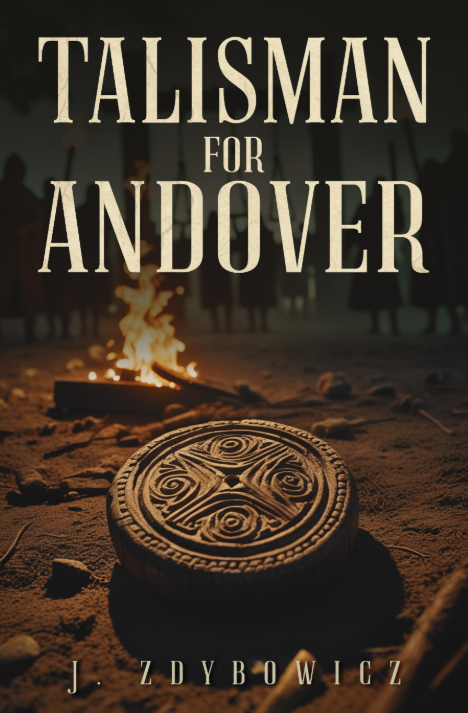
Protection in Salem often took physical form. Objects were used to ward off illness, misfortune, or spiritual harm. These items were not acts of rebellion. They were attempts to survive in an environment where disease, death, and uncertainty were part of daily life. Yet as fear intensified, the meaning of protection shifted.
What once symbolized care and precaution became evidence of wrongdoing. Objects intended to guard against harm were reinterpreted as signs of hidden guilt. This transformation reveals how fear reshapes interpretation. When anxiety dominates, intention no longer matters. Only appearance does.
Closed communities magnify this effect. Limited outside influence reinforces shared assumptions. Alternative explanations are treated with suspicion. In Salem, questioning dominant belief systems was dangerous. Protection became suspect precisely because it existed outside official religious authority.
This dynamic allowed fear to control behavior. People learned to hide rather than explain. Silence became safer than honesty. Self-protection required conformity, even when that conformity conflicted with personal belief or practical knowledge.
The broader lesson explored in Amulets for Salem and Talisman for Andover is not confined to history. Closed systems continue to exist in many forms, and when communities resist outside perspective, care is often recast as threat. Acts meant to protect become suspect when they challenge established power or disrupt rigid belief.
Salem and Andover together illustrate how fear distorts meaning. What begins as safety or tradition is quickly reframed as danger, and once that shift occurs, ordinary behavior becomes grounds for accusation. Understanding this process allows modern readers to recognize similar patterns in contemporary societies where certainty is valued over reflection.
Historical fiction offers a way to examine these dynamics through lived experience rather than abstraction. By focusing on individual lives shaped by constant scrutiny, these stories reveal the emotional cost of survival and the quiet discipline required to remain unseen. They show how endurance often depends on restraint rather than open resistance.
These themes are central to Amulets for Salem and continue with greater urgency in Talisman for Andover. Together, the novels explore how objects created for protection become sources of suspicion and how fear reshapes intent within tightly controlled Puritan communities. The books invite readers to reflect on the fragile line between care and crime and the lasting consequences of societies driven by fear rather than understanding.
Consider adding Amulets for Salem and Talisman for Andover to your reading list and enjoy thoughtful historical fiction with emotional depth and historical insight.
Here is the link for Talisman for Andover:
You can also find Amulets for Salem available on Amazon and begin reading today: