During the height of the witch trials, accusations were rarely based on evidence in the modern sense. Instead, they relied on belief, fear, and interpretation. Ordinary traits, coincidences, and personal conflicts were transformed into so called “proof,” creating a system where almost anyone could be condemned. J. Zdybowicz’s Salem-inspired series captures this reality with striking accuracy, showing how easily suspicion could turn into a death sentence.
One of the most common signs used against the accused was the presence of a physical mark. These were often called “Devil’s Marks,” and they could be anything from a mole to a scar or even a birthmark. Examiners would search the body for such marks, claiming they were evidence of a pact with dark forces. The danger lay in how vague this standard was. Nearly everyone had some form of mark, making it an easy tool for confirmation rather than investigation.
Another widely accepted sign was unexplained illness or misfortune. If a neighbor’s crops failed, livestock died, or a child fell sick, suspicion often fell on someone already viewed as different or difficult. These events, which had natural explanations, were instead seen as intentional acts. In both history and Zdybowicz’s series, misfortune becomes a weapon, used to justify accusations without proof.
Behavior also played a significant role. Individuals who were vocal, independent, or socially isolated were more likely to be accused. Women who did not confide to expected roles were particularly threatened. A sharp tongue, refusal to attend church regularly, or even a tendency to keep to oneself could be interpreted as suspicious. In a society that valued conformity, difference itself became dangerous.
Confessions, often forced, were another critical element. Under pressure, fear, or coercion, individuals would admit to acts they had not done. These confessions were then used to validate the beliefs of the community. Once one person confessed, it reinforced the idea that others must be guilty as well, creating a cycle that was difficult to break.

There were also more specific and unusual claims that were treated as evidence. Some believed that witches could not recite prayers correctly or would stumble over sacred words. Others claimed that witches would not cry when accused, interpreting a lack of visible emotion as proof of guilt. These tests were deeply flawed, yet they were accepted because they aligned with existing fears.
Possession of certain items could also raise suspicion. Herbs, remedies, or tools used for healing might be seen as instruments of harm. Knowledge itself became threatening when it was not widely understood. In Zdybowicz’s series, this tension is clear. The very skills that allow characters to help others are the same skills that place them at risk.
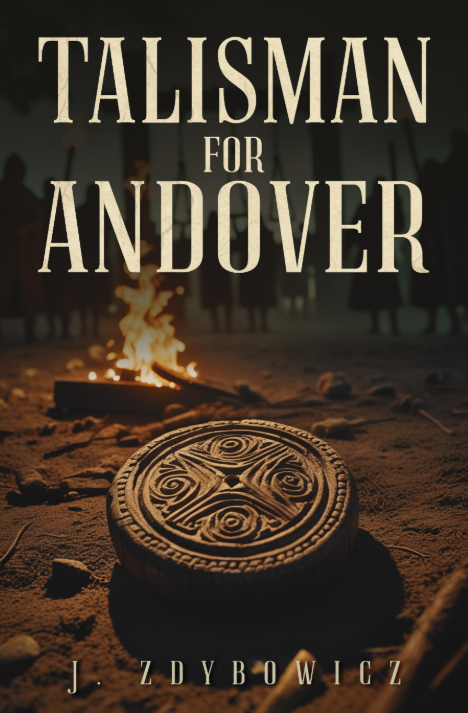
J. Zdybowicz’s Salem-inspired series brings these elements to life in a way that feels immediate and personal. It does not present these signs as distant historical oddities. Instead, it shows how they functioned within communities, how they spread, and how they were used to justify actions that could not be undone.
For readers, this exploration serves as both insight and warning. It reveals how easily fear can shape belief and how quickly ordinary traits can be turned into accusations. The signs themselves were never the true threat. The real danger was the willingness to accept them without question.
In the end, these so called signs were not proofs of witchcraft. They were proofs of something far more powerful and far more dangerous: the human tendency to fear what it does not understand.
Head to Amazon to purchase your copy: https://www.amazon.com/dp/B0FTCTZXN7