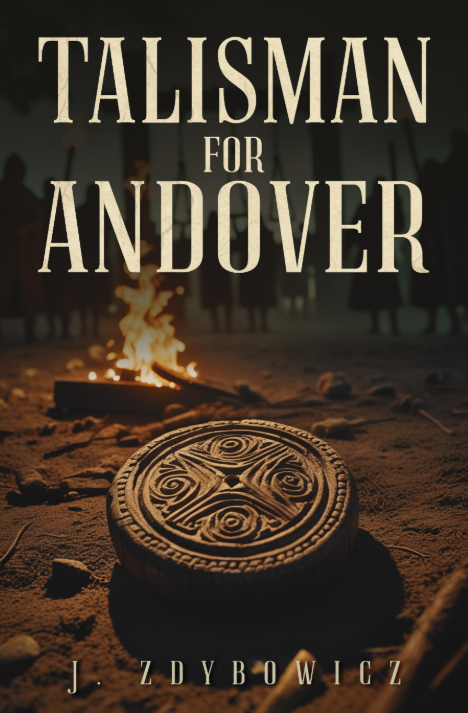
In times of fear, people often search for simple answers to complex problems. In Talisman for Andover by J. Zdybowicz, the word witch becomes one of those answers. It is a label shaped by rumor, fear, and misunderstanding rather than truth. Through Apollina’s journey, the novel invites readers to examine what people once believed about witchcraft and how those beliefs were used to control and harm others. The story also reflects how these misconceptions continue to echo in modern thinking.
The Historical Image of a Witch
During the 17th century, a witch was often defined by suspicion rather than action. A woman who lived alone, knew too much about herbs, or behaved differently from her neighbors could easily be accused. In Talisman for Andover, these ideas are reflected in public examinations and whispered rumors. Women are searched for marks on their bodies and questioned about normal events that are twisted into signs of wrongdoing. These scenes reflect the real beliefs of the time, when ordinary traits were misconstrued as supposed evidence.
Healing Turned Into a Threat
Apollina’s work with herbs and remedies shows how easily healing could be misunderstood. In both Amulets for Salem and Talisman for Andover, she prepares salves, teas, and protective charms meant to help others. These practices are quiet and careful. However, the same skills that heal also place her at risk. In Andover, knowledge itself becomes dangerous. When fear spreads, people no longer see care or intention. They see something they cannot explain, and that becomes enough to accuse.
Labels as Weapons
The novel clearly illustrates how the word “witch” becomes a weapon. Once a woman is labeled, everything she does is viewed through that lens. In Talisman for Andover, women accused of witchcraft are not given a fair chance to explain themselves. Their past actions, friendships, and even their bodies are used against them. The label removes their humanity. It turns neighbors into judges and fear into authority.
Power Through Knowledge and Choice
As Apollina grows into her abilities, the meaning of power shifts. She does not seek control over others. Instead, she uses knowledge to protect herself and those she trusts. Her later abilities in Talisman for Andover, including the creation of protective talismans and careful rituals, demonstrate a woman adapting to danger rather than embracing it. It challenges the old idea that power itself is evil. The novel suggests that fear, not magic, causes harm.
Then and Now
The story encourages readers to think beyond the confines of history. Labels still shape how people are treated today. Words can isolate, judge, and silence. Talisman for Andover illustrates how easily a misunderstanding can escalate into injustice when people stop asking questions. By focusing on Apollina’s gentle practices and thoughtful choices, the novel reminds us that truth is often quieter than fear.
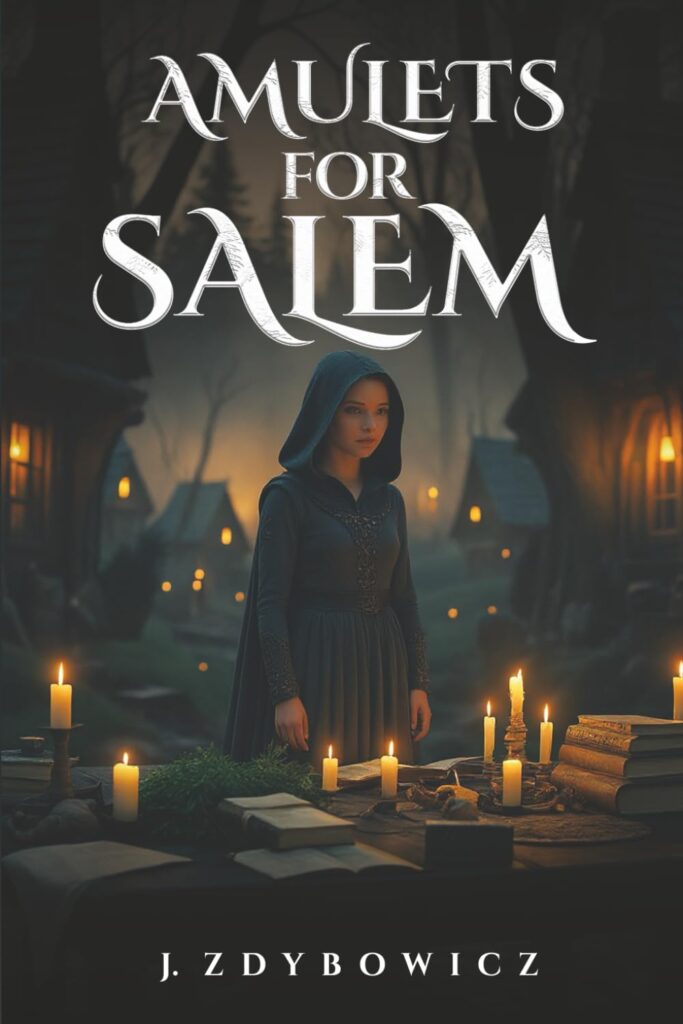
Talisman for Andover builds on the themes first introduced in Amulets for Salem, also by J. Zdybowicz, offering a deeper look at how fear shapes belief.
As Christmas is coming, this is a meaningful time to add Talisman for Andover to your holiday reading list or share it with someone who enjoys thoughtful historical fiction that explores truth, resilience, and understanding.
Stay Tuned! Talisman for Andover is going to live soon.
Meanwhile, pick up a copy of Amulets for Salem, available on Amazon, and start reading today: https://www.amazon.com/dp/1969868244/.